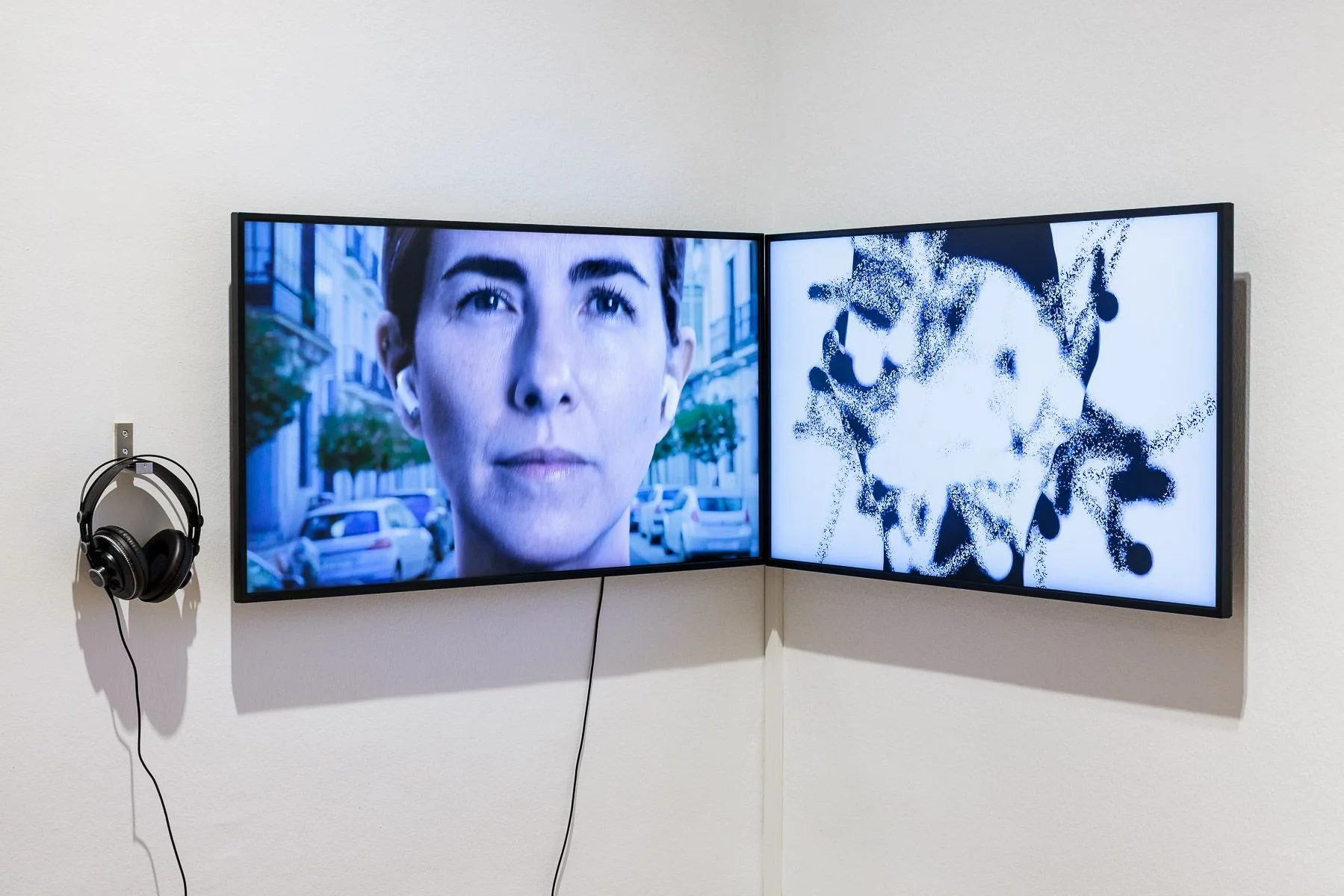
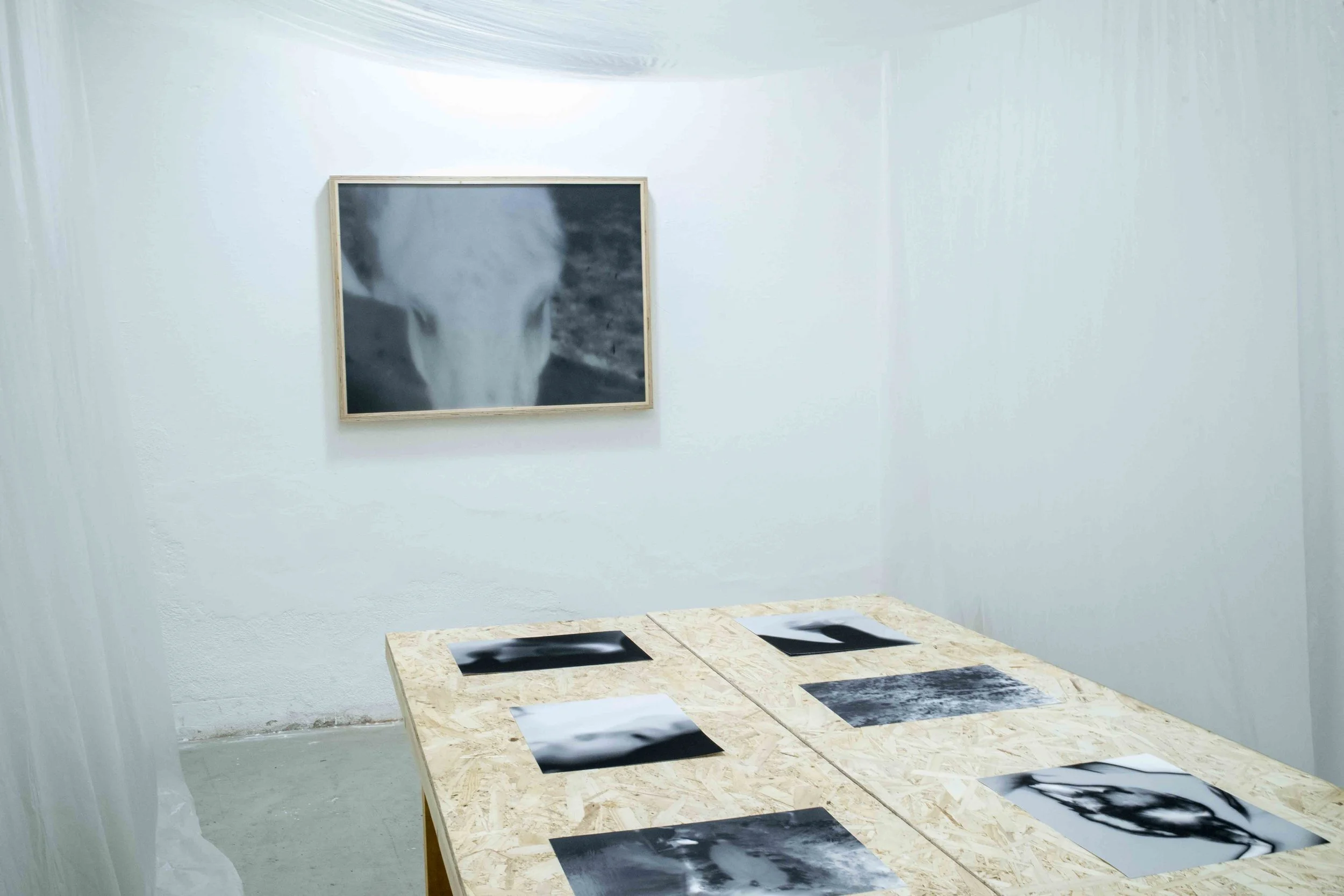
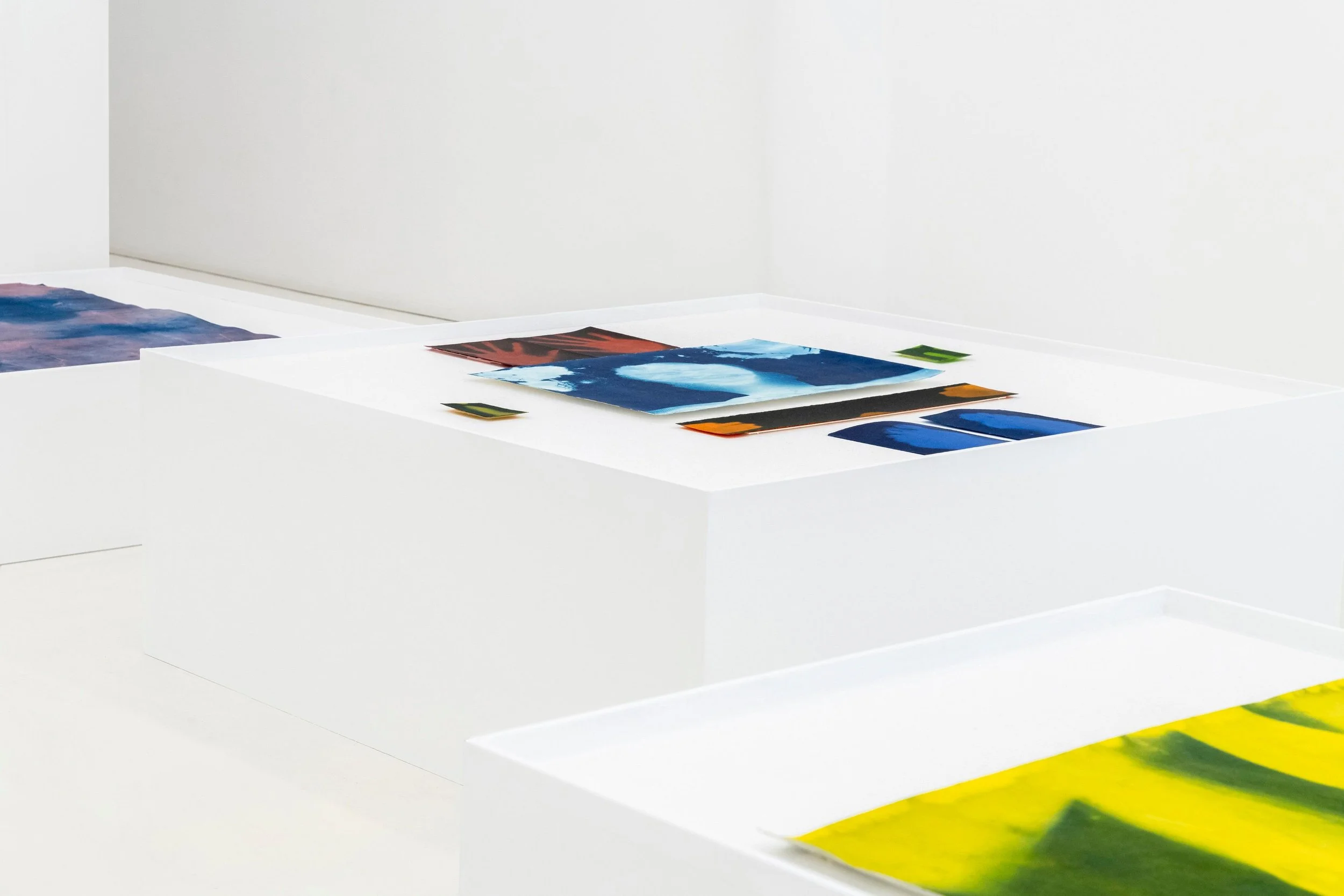
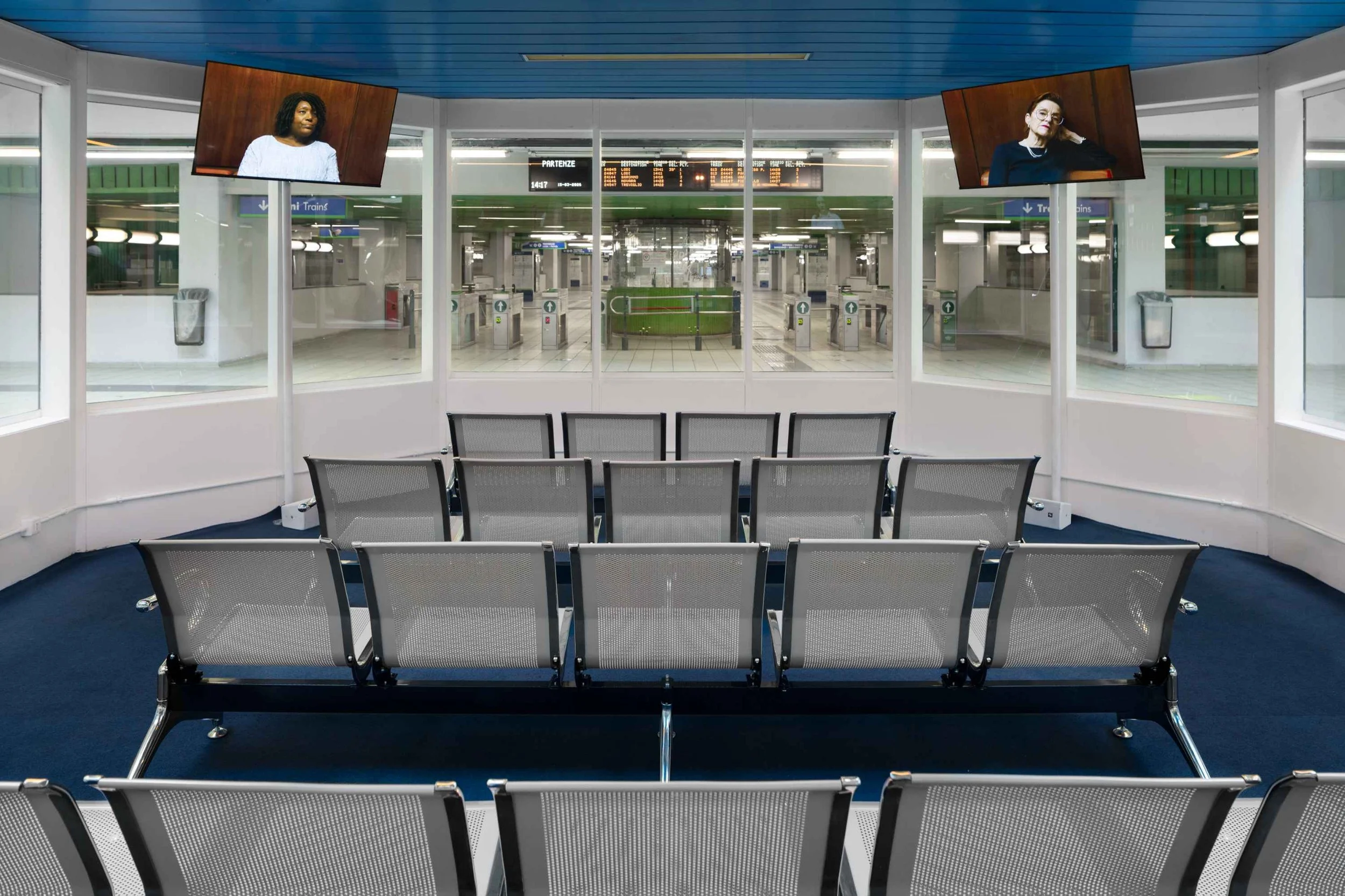
Artist Rabin Huissen records accounts of the human form as it is conditioned by its physical gestures, the surroundings in which these are acted, and the everyday conditions that quietly regulate lived experience.
All in art
Artist Rabin Huissen records accounts of the human form as it is conditioned by its physical gestures, the surroundings in which these are acted, and the everyday conditions that quietly regulate lived experience.
Mat Dryhurst makes software the way others make manifestos. Curated alongside Holly Herndon, Hans Ulrich Obrist, and Adriana Rispoli, his Attention Guild installation at Palazzo Diedo is the clearest version yet of what he calls protocol art: a parliament of humans and agents, and a gift economy that runs.
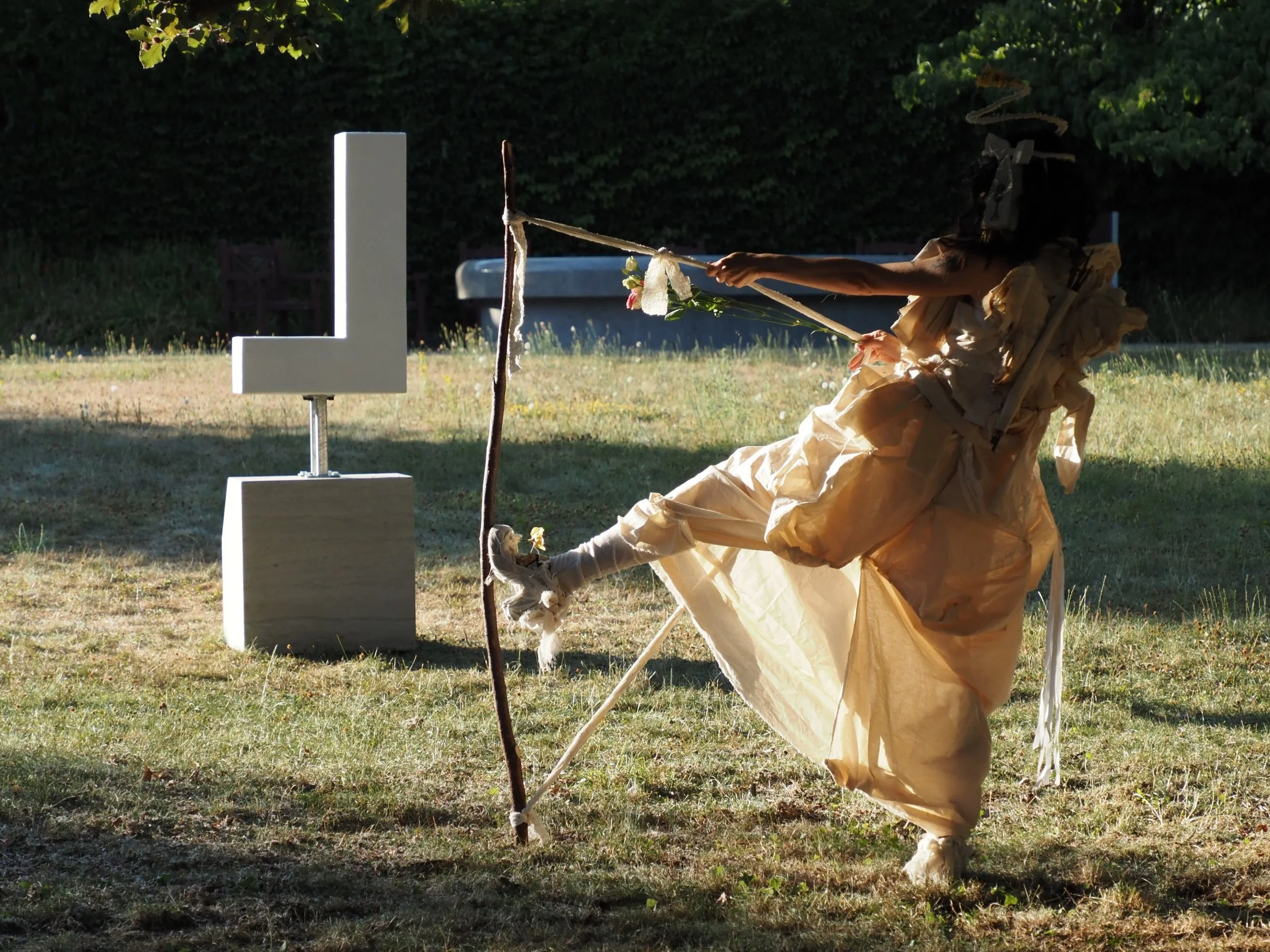
Joan Horrach moved from ballet to Bruce Nauman, and the distance turned out to be short. The Palma-born artist makes work where the body is both subject and instrument, and where ‘the act of waiting’ proves to be the hardest act of all.
The fundamental starting point for the work of Enzo e Barbara, an artistic duo formed by Padua-based artists Greta Fabrizio (born in 2000) and Riccardo Lodi (born in 1998), is a study of the relationships between human development—technological, industrial, and infrastructural—and natural ecosystems, observing how the materials, substances, and processes that traverse a place influence what grows and dwells within it.
With Poupée de Peau, currently on view at Alo Galerie until May 30, Noémie Ninot explores how patriarchal beauty standards shape femininity through self-portraiture, repetition, and artificiality.
Genti Korini resurrects early 20th-century avant-garde research to critique the exoticization of Albania. By staging an archival Russian parody, he exposes the failure of language to capture the other.
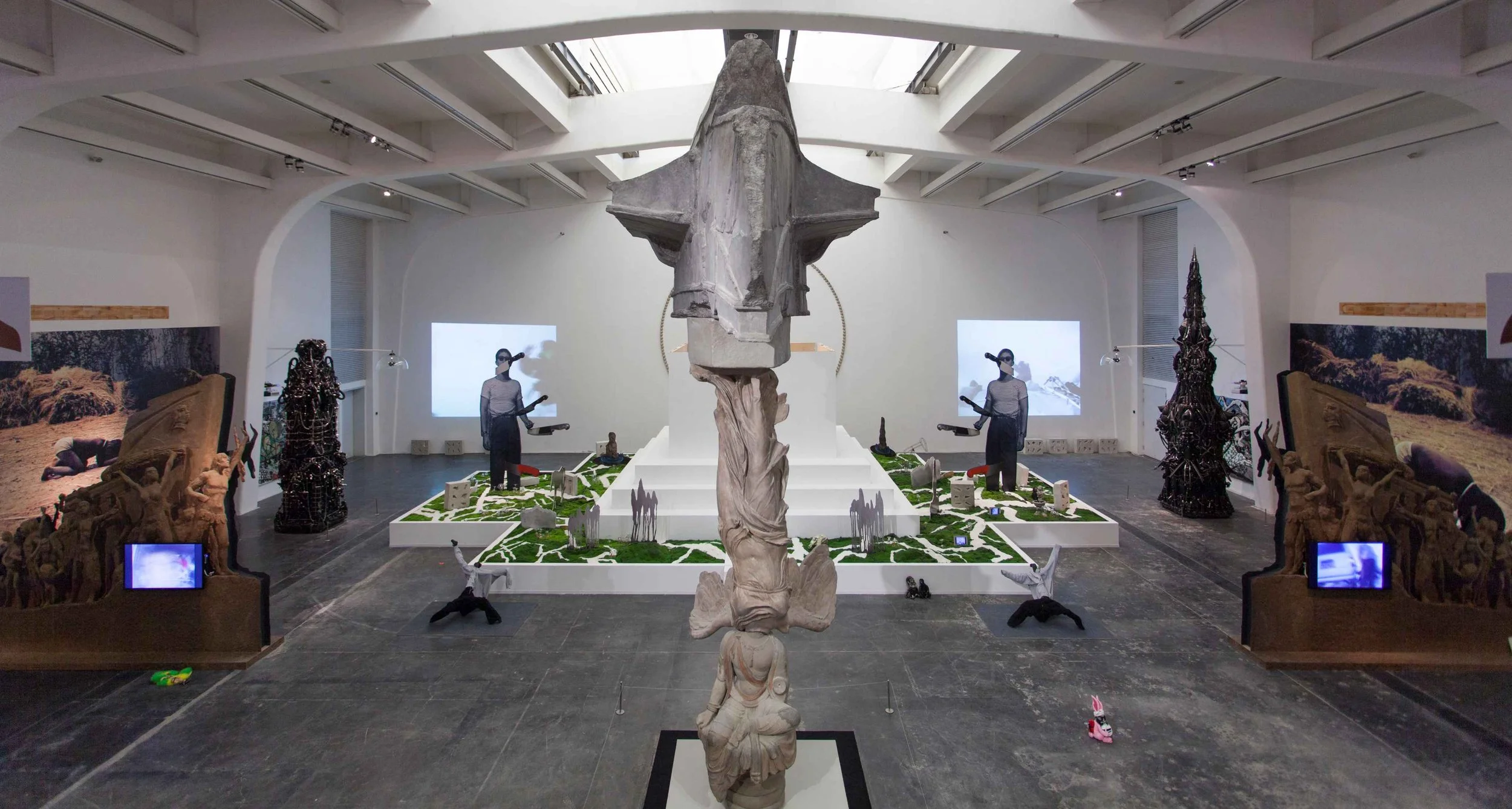
For the Catalonia Pavilion at the 61st Venice Biennale, Claudia Pagès Rabal presents Paper Tears , an investigation into the subtle imprints of institutional control and their enduring legacy across history.
What remains after provocation? Reading SEAWORLD VENICE by Florentina Holzinger.
Julian-Jakob Kneer presents attaché briefcases as screens for fantasy. These sealed objects project authority and perversion, trapping the viewer between masculine discipline and lavish, corrupted artifice.
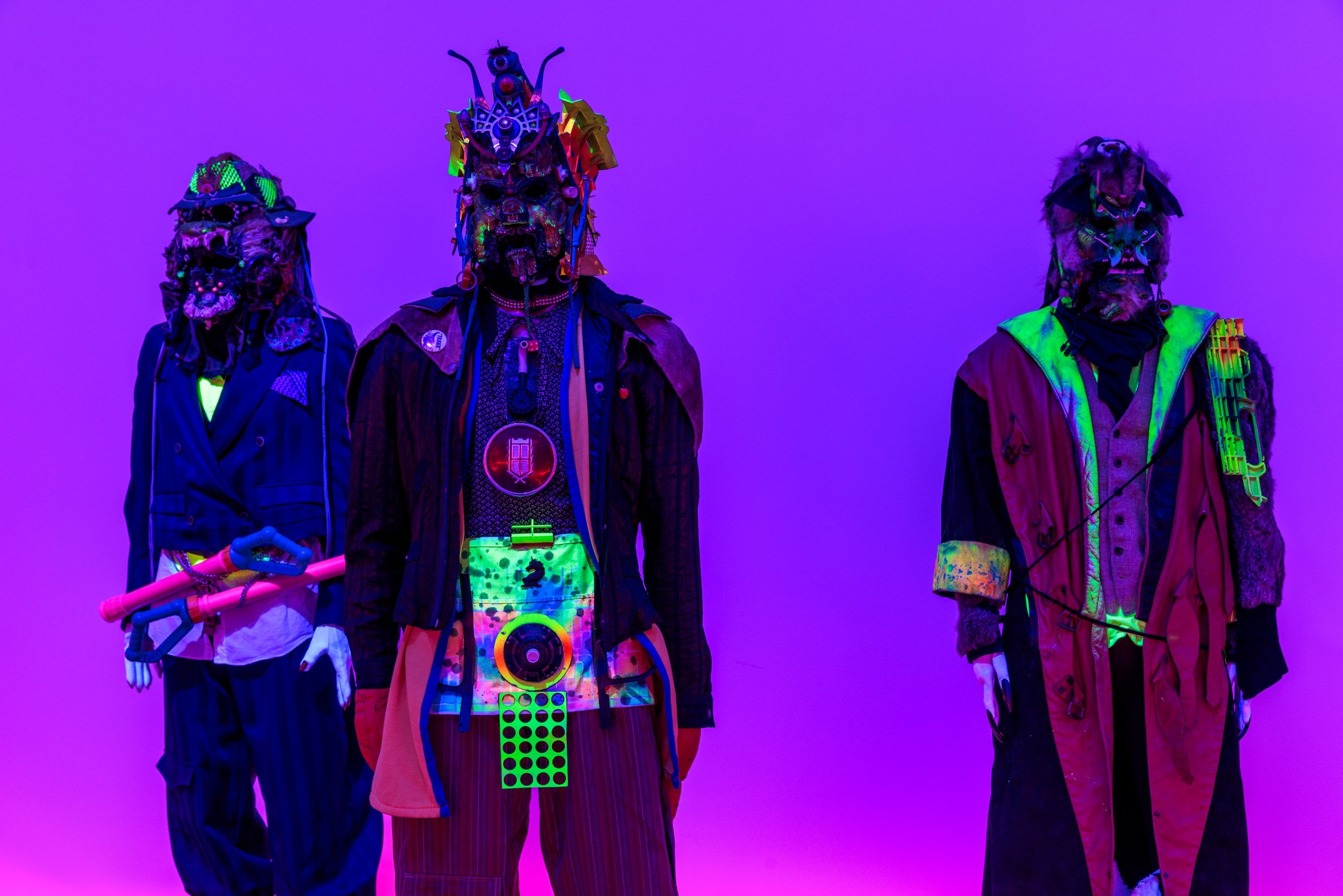
Crystal Crypt gave Milan Design Week its most unsettling room. Luciani's cyberpunk rituals met Wood's Mille Fleurs in a Baccarat that felt genuinely alive, and genuinely mortal.
Moving beyond the notion of space as a mere shell, Benni Bosetto’s Rebecca functions as an autonomous organism. Through July 2026, the exhibition navigates the porous membranes between intimacy and feminine memory.
Kushtrim Memeti turns the Trepça mine into testimony. Minerals, metal, and broken bodies speak where official language stays silent. Resistance surfaces through weight, friction, and refusal.
“Tide of Returns” opens the 2026 season of Ocean Space in the former Church of San Lorenzo in Venice, from late March through October 11. Like the tides themselves, the exhibition carries back what once seemed lost: objects, memories, identities torn from the communities that had given them life.
Cao Fei turns a rice field into a philosophical question. Drones replace gods. Algorithms rewrite ancient rituals. Milan, April–September 2026. Fondazione Prada.
Six years later. Same rabbit hole. Much darker, Very cursed down here. Clusterduck spent six years going down the rabbit hole of internet culture. Here is what they found. Clusterduck, six years inside the rabbit hole of internet culture. Clusterduck, six years inside the (rabbit) hole of internet culture.
With Smooth Operator, Villiam Miklos Andersen questions the very idea of comfort, stripping it of any reassuring automatism. In his practice, what welcomes us is never entirely innocent: well-being, rest, and care are always also the product of structures that discipline bodies, regulate behavior, and define who is truly allowed to feel included within a system.
Gottfried Helnwein makes you look at what most people prefer to ignore. His first major retrospective in Spain opens now at SOLO Independencia, Madrid.
Vittorio Valigi begins with subtraction. His design logic, whether for a client or an exhibition, operates by removing what does not belong until only the irreducible remains. Ten years of living inside an altered body taught him exactly what that means.
Alessandro Aprile’s first solo show exhibition at MATTA in Milan unfolds as a suspended field: bodies surface and dissolve, thresholds flicker, and painting becomes a slow emergence of unstable, shared states of being.
The West was built on a story. This exhibition, running at 10·Corso·Como until April 7, lines up the photographers who believed it, and those who knew better.